Your Food Choices Could Be Ruining Your Teeth
You brush twice a day, floss regularly, and visit your dentist like clockwork. But what if the real threat to your teeth is hiding in plain sight on your kitchen counter? Many foods we consider healthy or harmless are quietly waging war on our tooth enamel, and once that protective outer layer is gone, it’s gone for good. Unlike other parts of your body, enamel can’t regenerate or repair itself.
The good news? Once you know which foods are the sneakiest offenders, you can make simple swaps that protect your smile without sacrificing flavor or nutrition. At Littleton Advanced Dentistry, Dr. Tom Bonbright and his team see the effects of enamel erosion every day, and they’re passionate about helping patients in Littleton, CO, protect their teeth through education and preventive care.
1. Citrus Fruits and Juices
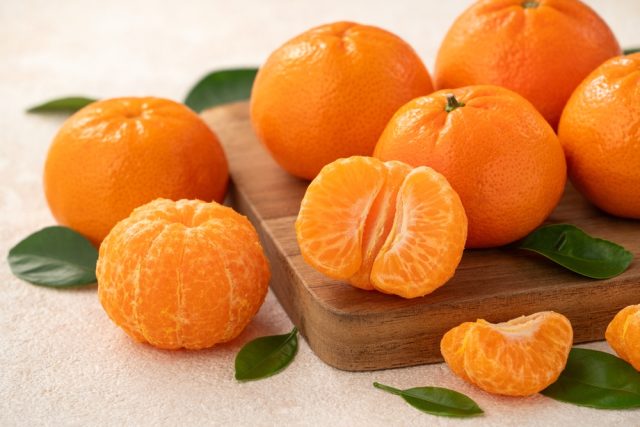
That morning glass of fresh-squeezed orange juice might be packed with vitamin C, but it’s also delivering a powerful acid punch directly to your teeth. Lemons, limes, grapefruits, and oranges all contain citric acid that softens and erodes enamel over time. The problem intensifies when you sip citrus juice slowly throughout the morning, giving the acid prolonged contact with your teeth.
What to eat instead: Reach for melons, bananas, or apples, which are far less acidic. If you can’t give up your citrus fix, drink the juice quickly rather than sipping it, consume it with a meal when saliva production is higher, or dilute it with water. Better yet, use a straw to minimize contact with your teeth.
2. Dried Fruits
Dried apricots, raisins, and fruit leather seem like the perfect healthy snack. They’re natural, portable, and free from artificial ingredients. But here’s the problem: the drying process concentrates the sugars, and the sticky texture means these sugary treats cling to your teeth long after you’ve finished eating. This extended contact gives bacteria in your mouth plenty of time to feast on the sugar and produce enamel-eroding acid.
What to eat instead: Choose fresh fruits whenever possible. If you love the convenience of dried fruit, make sure to rinse your mouth thoroughly with water afterward, or better yet, brush your teeth about 30 minutes later. Try freeze-dried fruit, which is less sticky and doesn’t cling to teeth as aggressively.
3. Sports and Energy Drinks
After an intense workout, reaching for a sports drink feels like the right choice for replenishing electrolytes. Unfortunately, most sports and energy drinks are a double threat: they combine high acidity with substantial sugar content. Research has shown that these beverages can be even more damaging to enamel than soda. The citric acid used as a flavoring agent is particularly aggressive at breaking down tooth enamel.
What to eat instead: For most workouts, plain water is perfectly adequate for hydration. If you need to replenish electrolytes after particularly intense or long exercise sessions, consider coconut water or low-fat milk, both of which are far gentler on your teeth. Some athletes also find success with electrolyte tablets dissolved in water, which tend to be less acidic than commercial sports drinks.
4. Pickled Foods
Pickles, pickled vegetables, and other vinegar-based foods have surged in popularity thanks to the fermentation trend and interest in gut health. While these foods may offer probiotic benefits, the vinegar used in the pickling process is highly acidic and wears away at enamel with repeated exposure. If you’re someone who enjoys pickles as a daily snack or adds them to every sandwich, your teeth are taking a hit.
What to eat instead: Look for naturally fermented options like traditionally prepared sauerkraut or kimchi that use less vinegar. Alternatively, choose yogurt and kefir for your probiotic fix. These fermented dairy products are not only less acidic but also contain calcium that supports tooth health. If you do eat pickled foods, try to consume them as part of a larger meal rather than snacking on them alone.
5. Tomato-Based Sauces
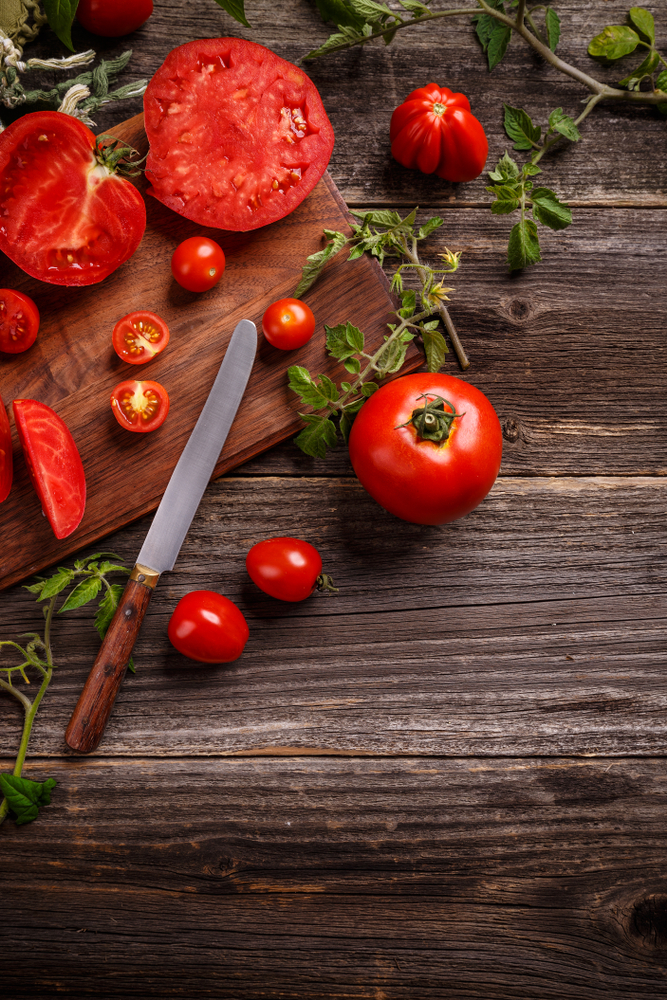
Pasta night might be comforting, but tomatoes are naturally quite acidic. Whether it’s marinara sauce, salsa, or ketchup, tomato-based products can soften enamel, especially when consumed frequently. The good news is that the way you eat these foods can make a significant difference in their impact on your teeth.
What to eat instead: Consider alternating with cream-based or cheese-based sauces like alfredo or carbonara. When you do enjoy tomato sauce, pair it with cheese (hello, parmesan on your pasta), which helps neutralize some of the acidity. You can also add vegetables like spinach or mushrooms to your sauce to dilute the acidity and boost nutritional value.
6. Diet Sodas and Flavored Sparkling Water
Many people switch to diet soda or flavored sparkling water, thinking they’re making a tooth-friendly choice by eliminating sugar. Unfortunately, these beverages are still highly problematic for enamel. The carbonation process creates carbonic acid, and various flavored varieties contain additional citric acid for taste. Even plain sparkling water is more acidic than still water, though it’s far less damaging than flavored versions.
What to eat instead: Still water is always your best bet for hydration. If you crave something with more flavor, try herbal tea (unsweetened and cooled) or infuse still water with cucumber, mint, or berries. If you absolutely must have sparkling water, choose unflavored varieties, drink them quickly rather than sipping throughout the day, and consume them with meals when increased saliva flow can help neutralize the acid.
7. Gummy Vitamins
They taste like candy, make taking vitamins fun, and seem like a win-win health choice. But gummy vitamins are actually terrible for your teeth. They’re acidic, often loaded with added sugars, and their sticky texture means they cling to your teeth just like gummy candy does. Even sugar-free versions tend to be acidic and can stick to tooth surfaces.
What to eat instead: Switch to traditional pill-form vitamins or chewable tablets that dissolve quickly. Even better, focus on getting your nutrients from whole foods whenever possible. A balanced diet rich in fruits, vegetables, lean proteins, and dairy can provide most of the vitamins and minerals your body needs without putting your enamel at risk.
How to Protect Your Enamel While Still Enjoying These Foods
You don’t need to eliminate all of these foods from your diet forever. Enamel erosion is about patterns and habits more than occasional indulgences. Dr. Bonbright recommends these strategies to minimize damage:
Timing matters. Eat acidic or sugary foods as part of meals rather than as standalone snacks. During meals, your mouth produces more saliva, which helps neutralize acids and wash away food particles.
Wait before brushing. This might sound counterintuitive, but you should wait 30 to 60 minutes after consuming acidic foods before brushing your teeth. Acid softens enamel temporarily, and brushing immediately can actually cause more damage. Instead, rinse your mouth with water right after eating.
Use a straw. When drinking acidic beverages, use a straw positioned toward the back of your mouth to minimize contact with your teeth.
Rinse thoroughly. After eating or drinking something acidic, swish water around your mouth to help neutralize the acid and wash it away.
Eat enamel-friendly foods. Balance out the acid by incorporating foods that actually protect your teeth. Cheese, leafy greens, nuts, and crunchy vegetables like celery help stimulate saliva production and provide minerals that strengthen enamel.
Consider sugar-free gum. Chewing sugar-free gum after meals increases saliva flow, which helps neutralize acid and remineralize enamel. Look for gum containing xylitol, which has been shown to reduce cavity-causing bacteria.
Take the Next Step Toward Healthier Teeth
If you’re concerned about enamel erosion or want personalized advice about protecting your teeth, the team at Littleton Advanced Dentistry is here to help. Dr. Tom Bonbright and his staff provide comprehensive dental care with a focus on prevention and patient education. Located in Littleton, CO, they’re committed to helping you maintain optimal oral health for life. Call (720) 719-0012 today to schedule your consultation and learn more about protecting your smile from hidden dietary threats.