
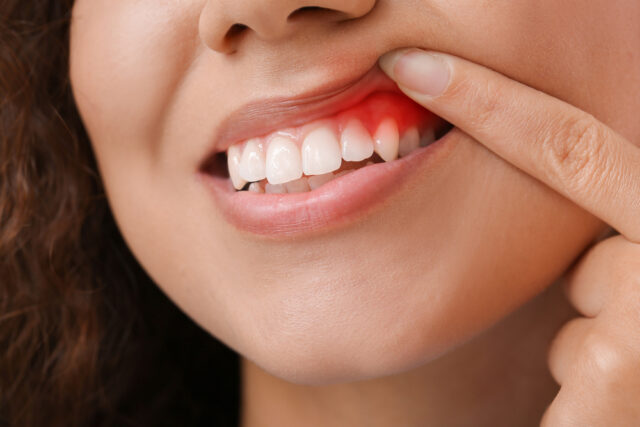
Your Gums Are Trying to Tell You Something
Gum disease, or periodontal disease, is one of the most common yet most overlooked health conditions in the world. It advances quietly, often painlessly, until the damage is severe. The good news? Caught early, it’s almost entirely reversible. If you live in Littleton, CO, or the surrounding Denver area, the team at Littleton Advanced Dentistry is here to help you catch it in time.
If you’re searching for a trusted dentist in Littleton, CO, to evaluate your gum health, Littleton Advanced Dentistry has been serving the local community for decades. Conveniently located for residents across Littleton, Highlands Ranch, Centennial, and the greater Denver area, the practice makes it easy to get the periodontal care you need close to home. Call (720) 719-0012 to schedule your appointment!
Trusted Dental Provider Near Denver’s Southwest Suburbs
Residents throughout the southwest Denver suburbs, from Lone Tree to Morrison,trust Littleton Advanced Dentistry for high-quality gum disease treatment and restorative dental care. Our patients choose us because we combine advanced dental technology with a warm, welcoming environment that puts even the most anxious patients at ease. If you’ve been searching for a new dentist in the greater Littleton or Denver area, we invite you to experience the difference that personalized, expert care can make.
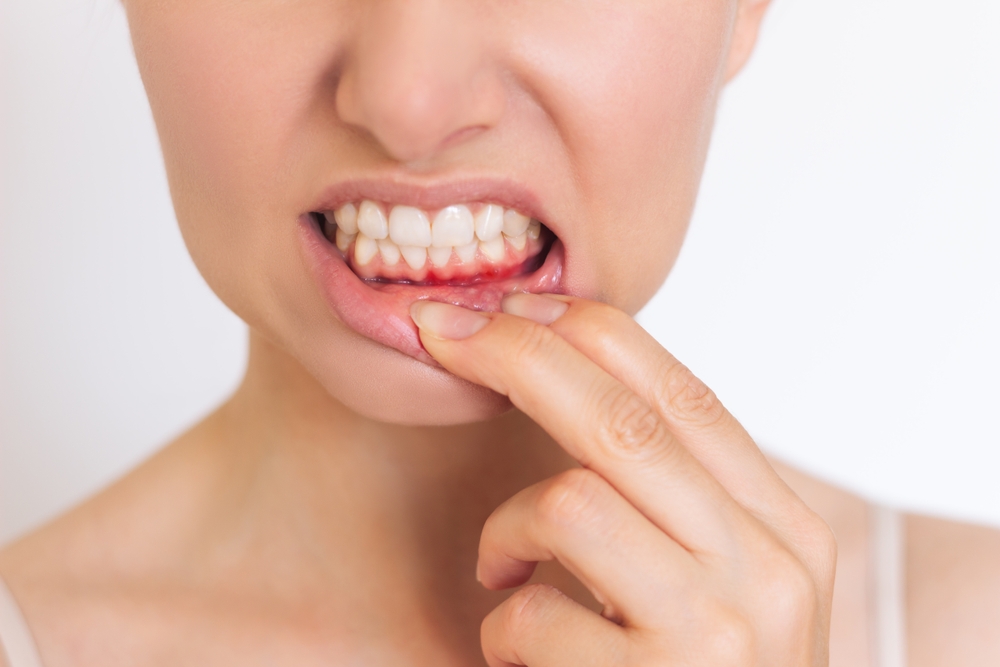
1. Bleeding Gums When You Brush or Floss
Healthy gums don’t bleed. If you notice pink in the sink or blood on your floss, your gum tissue is inflamed — a classic hallmark of early-stage gingivitis. Many people dismiss this as brushing “too hard,” but the real culprit is bacterial plaque building up at the gumline. Ignored, gingivitis progresses into periodontitis, where damage becomes irreversible.
- What to watch for: Even occasional bleeding is a red flag. See our Littleton dentist if it persists beyond a week or two.
2. Persistent bad breath that won’t go away
Occasional morning breath is normal. Chronic bad breath — or a consistently bad taste in your mouth — is not. Periodontal disease creates deep pockets between your gums and teeth where bacteria thrive. Those bacteria produce sulfur compounds with a distinctly foul odor. Mints and mouthwash may mask it temporarily, but they can’t reach the source. If brushing twice daily isn’t fixing the problem, the problem goes deeper than your tongue.
- What to watch for: Ask a trusted person, or notice if the odor lingers throughout the day regardless of your oral hygiene routine.
3. Swollen, red, or tender gums
Healthy gum tissue is pale pink, firm, and fits snugly around each tooth. Gums that appear red, puffy, shiny, or that feel sore to the touch are inflamed and under bacterial attack. This inflammation is your immune system’s response — a sign that infection has already set in. Left alone, it eventually destroys the bone and connective tissue that anchors your teeth in place. At Littleton Advanced Dentistry, the dental team emphasizes early intervention for gum disease, addressing symptoms like bleeding gums, persistent bad breath, and gum recession before they progress.
Residents throughout Littleton have access to a full range of gum disease treatments right in their own backyard. Whether you’re dealing with early gingivitis or more advanced periodontitis, Littleton Advanced Dentistry offers personalized treatment plans so you never have to travel far to protect your smile.
- What to watch for: Compare your gum color to photos of healthy gums. The difference is often surprisingly clear.
4. Receding gums — teeth that look “longer”
If your teeth seem to have grown longer, or if you notice a notch forming near the gumline, your gums are pulling away from the teeth. This recession exposes the roots, sensitive areas not protected by enamel, and creates deeper pockets where bacteria accumulate further. Gum recession is a hallmark of moderate-to-advanced periodontitis, and crucially, gum tissue does not grow back on its own once lost. Soft tissue grafts, which take tissue from another part of the mouth to cover exposed roots, are one option for addressing gum recession — a procedure available right here in Littleton.
- What to watch for: Increased sensitivity to hot or cold is often the first sign of recession. Don’t chalk it up to “just sensitive teeth.”
5. Loose or shifting teeth
Adult teeth should be completely stable. Any wobble — even slight — means the bone and ligaments holding your teeth in place have been significantly compromised. You may also notice your bite feels different, or that teeth that once touched no longer quite meet correctly. In its most severe stage, advanced periodontitis can lead to significant bone loss, tooth mobility, and tooth loss. This symptom warrants an urgent dental visit, not a wait-and-see approach. Patients near Littleton and the Denver metro area can call Littleton Advanced Dentistry at (720) 719-0012 for same-day guidance.
For Littleton residents experiencing urgent symptoms like loose teeth or severe gum pain, waiting weeks for an appointment isn’t an option. Littleton Advanced Dentistry understands dental emergencies don’t follow a schedule, and the team works to accommodate patients who need prompt attention. Call our dental office near you to discuss your situation and get guidance fast.
- What to watch for: Gently press on a tooth with your finger. Even 1–2mm of movement is a dental emergency.
6. Spaces opening between your teeth
New gaps appearing between teeth — especially near the gumline — signal that supporting bone is deteriorating and no longer holding teeth in their proper positions. This can happen so gradually over months that it’s easy to dismiss. Bone grafts, using synthetic or natural bone to replace what’s been lost, can help stabilize teeth when the damage is caught before it becomes complete; another treatment option offered at Littleton Advanced Dentistry.
- What to watch for: Take a close-up photo of your smile every few months. Side-by-side comparisons reveal changes that are invisible day to day.
7. Pus between your teeth and gums
Pus, visible as a small white or yellow discharge, or detectable as a salty taste when you press on your gums, means active infection. This is your body attempting to fight bacteria it cannot eliminate on its own. Gum disease has also been linked to heart disease, diabetes, and respiratory issues, which is why the team at Littleton Advanced Dentistry treats periodontal health as inseparable from your overall well-being. This symptom warrants same-day or next-day dental attention.
- What to watch for: Do not try to drain or squeeze the area — this can spread infection deeper into the tissue.
The Best Time to Act is Right Now
Gingivitis is fully reversible. Once it advances to periodontitis, the infection spreads below the gumline and damages supporting bone and connective tissue in ways that can’t be undone without intervention. If you recognized even one sign on this list, don’t wait for your next routine check-up.
Littleton Advanced Dentistry offers comprehensive periodontal care, from deep cleanings for early-stage gingivitis to more advanced treatments for periodontitis, with customized treatment plans based on the severity of the condition. Led by Michael Hoagburg, the practice serves patients throughout Littleton, Highlands Ranch, Centennial, and the greater Denver area.
Call (720) 719-0012 to schedule your appointment with our Littleton dentists. Your gums are worth paying attention to. Don’t ignore what they’re telling you.