
Oral Health Guidance from Our Littleton Dentists
Maintaining healthy teeth after 60 presents unique challenges, from medication-related dry mouth to changes in gum health. While your dental needs may have evolved, keeping your natural teeth strong and functional is achievable with the right strategies and professional support. Whether you’re in Littleton, Highlands Ranch, Centennial, or Englewood, understanding these age-related changes empowers you to make informed decisions about your oral health.
For personalized guidance on your dental care routine, contact our dentists in Littleton, CO, at (720) 719-0012 to speak with Dr. Tom Bonbright.
Understanding Age-Related Dental Changes
Natural Changes in Oral Health
As we age, several key changes occur in our mouths:
- Enamel thinning: The protective outer layer wears down over decades, making teeth more susceptible to decay and sensitivity
- Reduced saliva production: Many older adults experience dry mouth, which impacts the mouth’s ability to neutralize acids and prevent bacterial growth
- Gum recession: Gums pull back from teeth, exposing root surfaces and creating pockets where bacteria can accumulate
- Changes in taste and smell: These changes can affect nutrition choices and eating habits, indirectly impacting oral health
Impact of Health on Oral Health
The connection between oral health and health becomes increasingly important with age. Systemic diseases like diabetes and heart disease have direct relationships with oral health conditions. Diabetes can worsen gum disease, while severe gum disease can make blood sugar control more difficult.
Many medications commonly prescribed to seniors affect oral health by reducing saliva production. Blood pressure medications, antidepressants, antihistamines, and pain medications all commonly cause dry mouth, while age-related immune system changes make it harder to fight off bacteria that cause gum disease.
Common Dental Problems After 60
Gum Disease (Periodontal Disease)
Gum disease affects more than 70% of adults over 65, making it one of the most common dental problems in this age group. What starts as gingivitis can progress to periodontitis, where infection destroys tissues and bone supporting your teeth.
Key warning signs include:
- Red, swollen, or bleeding gums
- Persistent bad breath
- Loose teeth
- Changes in your bite
- Gums that have pulled away from teeth
The connection between gum disease and other health conditions is particularly concerning for seniors, with research linking severe gum disease to increased risks of heart disease, stroke, diabetes complications, and pneumonia.
Tooth Decay and Root Caries
While many people associate cavities with childhood, tooth decay increases with age. Root caries, which occur on the exposed root surfaces of teeth due to gum recession, are particularly common in older adults. These cavities can be more difficult to detect and treat than traditional crown cavities.
The combination of exposed roots, reduced saliva, and sometimes inadequate oral hygiene creates the perfect environment for decay-causing bacteria to thrive.
Dry Mouth (Xerostomia)
Dry mouth affects up to 30% of older adults and can significantly impact quality of life and oral health. While aging itself doesn’t cause dry mouth, the numerous medications often prescribed to seniors do. Over 400 medications list dry mouth as a side effect, and many seniors take multiple medications daily.
Common causes include:
- Blood pressure medications
- Antidepressants
- Antihistamines
- Pain medications
- Radiation therapy for head and neck cancers
- Autoimmune conditions like Sjögren’s syndrome
Complications of untreated dry mouth:
- Increased tooth decay
- Gum disease progression
- Difficulty eating and speaking
- Oral infectionsBad breath
- Loss of taste
Oral Cancer
The risk of oral cancer increases significantly with age, with most cases diagnosed in people over 55. Early detection dramatically improves treatment outcomes, making regular screenings crucial. Risk factors include:
- Tobacco use (cigarettes, cigars, chewing tobacco)
- Heavy alcohol consumption
- Human papillomavirus (HPV) infection
- Excessive sun exposure (for lip cancer)
- Age over 55
- Male gender
Early warning signs to watch for:
- Persistent sores that don’t heal within two weeks
- White or red patches in the mouth
- Difficulty swallowing or chewing
- Unexplained bleeding in the mouth
- Numbness in the tongue or mouth
- Persistent hoarseness
- Lumps or thickening in the cheek
The Essential Daily Oral Care Routine for Seniors
Brushing Techniques and Tools
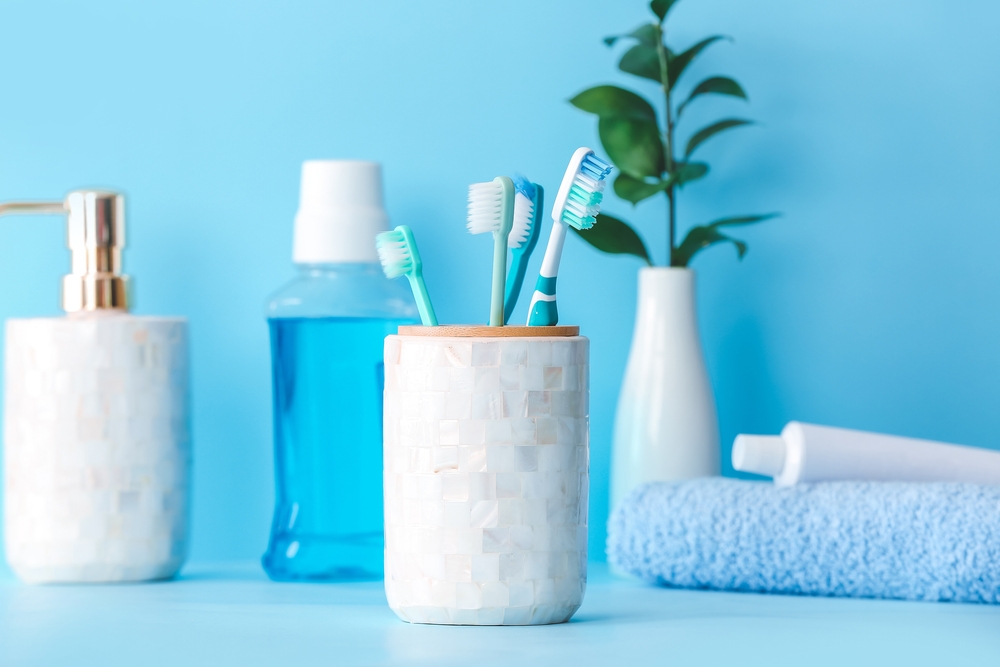
Proper brushing technique becomes even more important as gums become more sensitive with age. Use a soft-bristled toothbrush and gentle, circular motions rather than aggressive back-and-forth scrubbing. Brush for at least two minutes, twice daily, paying special attention to the gum line where plaque tends to accumulate.
Best practices:
- Use fluoride toothpaste to strengthen enamel and prevent decay
- Consider sensitivity toothpastes if you experience discomfort
- Try dry mouth-formulated toothpastes if xerostomia is an issue
- Replace toothbrushes every 3 to 4 months or after illness
Electric toothbrushes offer significant advantages for seniors:
- Consistent, effective cleaning with less manual effort
- Built-in timers ensure adequate brushing time
- Pressure sensors prevent over-brushing and gum damage
- Easier to use for those with arthritis or limited dexterity
Adaptive tools for mobility challenges:
- Foam padding or special grips to enlarge toothbrush handles
- Angled handles for easier reach
- Electric toothbrushes with larger, easier-to-grip handles
- Toothbrush holders for one-handed use
Flossing and Interdental Care
Despite its importance, flossing can become challenging with age due to arthritis, reduced dexterity, or dental work that makes traditional floss difficult to use. However, cleaning between teeth remains crucial for preventing gum disease and decay.
Water flossers can be excellent alternatives to traditional string floss. They use a stream of water to remove plaque and food particles from between teeth and along the gum line. Many seniors find them easier to use and less irritating to sensitive gums.
Interdental brushes, small brushes designed to clean between teeth, can be easier to handle than traditional floss and are particularly effective for cleaning around dental work or in areas where gums have receded.
Mouthwash and Additional Products
Therapeutic rinses can provide additional protection against decay and gum disease. Antimicrobial rinses help reduce bacteria that cause gum disease, while fluoride rinses provide extra protection against cavities.
For those suffering from dry mouth, alcohol-free rinses specifically designed for dry mouth conditions can provide relief and additional moisture. Saliva substitutes and oral moisturizing gels can also help manage dry mouth symptoms throughout the day.
Some seniors may benefit from prescription-strength fluoride products, particularly those at high risk for decay due to dry mouth or other factors. Our dentist can determine if these products are appropriate for your situation.
Our Littleton dentists welcome new patients. Contact our dental office near you today at (720) 719-0012.
Dentures, Dental Implants, and Tooth Replacement Options
Today’s tooth replacement options include removable dentures, fixed bridges, and dental implants. The best choice depends on factors including the number of missing teeth, health, bone density, and personal preferences. Even with tooth replacement, maintaining the health of remaining natural teeth and gum tissues remains crucial. This includes continuing regular dental visits and maintaining excellent oral hygiene.
Caring for Dentures
Dentures require daily cleaning just like natural teeth. Remove and rinse dentures after eating, brush them daily with a denture cleaner (not regular toothpaste, which can be too abrasive), and soak them overnight in a denture-cleaning solution.
Proper fit is essential for comfort and function. Dentures that don’t fit properly can cause sores, make eating difficult, and affect speech. Regular adjustments and relines help maintain proper fit as gum and bone tissues change over time.
If you have partial dentures, maintaining excellent care of your remaining natural teeth is crucial, as these teeth provide support for the partial and are at higher risk for decay due to the increased plaque retention around denture clasps.
Dental Implants for Seniors
Dental implants can be an excellent option for many seniors, providing a permanent solution that functions like natural teeth. Age alone is not a barrier to implant success, though factors like health, bone density, and healing capacity are important considerations.
The healing process may take longer in older adults, and some medical conditions or medications can affect implant success. A thorough evaluation by an experienced implant dentist can determine candidacy and expected outcomes.
Long-term care for dental implants involves the same home care as natural teeth, plus regular professional maintenance to ensure the health of surrounding tissues and the longevity of the implant.
Preserve Your Natural Smile for Life
Your smile has carried you through decades of precious moments – don’t let age steal that confidence away. At Littleton Advanced Dentistry in Littleton, we understand the unique dental challenges you face after 60 and are committed to helping you maintain your natural teeth for life. We welcome patients from Highlands Ranch, Centennial, and Englewood who are ready to take control of their dental health.
Your golden years should be filled with confident smiles and worry-free social interactions. Call our dentists in Littleton today at (720) 719-0012 to schedule your comprehensive senior dental consultation and discover how modern dentistry can help you keep your natural smile strong and healthy for years to come.