The Complex Truth About Sweet Alternatives
When you’re trying to satisfy your sweet tooth while protecting your dental health, sugar substitutes might seem like the perfect solution. But are these alternatives actually better for your teeth than regular sugar? The answer isn’t as simple as you might think, and it largely depends on which type of sweetener you choose.
Looking to take further steps to protect your teeth? Set up an appointment with our dentists in Littleton, CO, at (720) 719-0012 to explore how modern preventive dentistry can enhance your smile and health.
The Problem with Regular Sugar
Before diving into substitutes, let’s understand why sugar poses such a threat to our teeth. When you consume sugar, harmful bacteria in your mouth (particularly Streptococcus mutans) feast on it, producing acid as a byproduct. This acid attacks tooth enamel, leading to decay and cavities over time. The more frequently you consume sugar, the more often these acid attacks occur, increasing your risk of dental problems.
The Different Types of Sugar Substitutes
Not all sugar substitutes are created equal when it comes to dental health. They generally fall into three main categories.
Artificial Sweeteners
These synthetic alternatives include aspartame, saccharin, sucralose, and acesulfame potassium. They are often much sweeter than sugar, so only a small amount is needed to achieve the same level of sweetness. The good news? Most artificial sweeteners cannot be metabolized by oral bacteria, meaning they don’t contribute to tooth decay.
Sugar Alcohols
This category includes xylitol, erythritol, sorbitol, and mannitol. While they’re called “sugar alcohols,” they contain no ethanol and are safe for consumption. These compounds offer unique benefits for dental health that go beyond simply preventing harmful bacteria from feeding.
Natural Sweeteners
Options like stevia, monk fruit, and honey fall into this category. While some are better for your teeth than regular sugar, they vary significantly in their impact on dental health.
The Dental Health Champions: Xylitol and Erythritol
Xylitol: The Anti-Cavity Superstar
Xylitol doesn’t just prevent harmful bacteria from feeding—it actively fights them. It decreases plaque formation, bacterial adherence, and inhibits the growth of Mutans Streptococci. Research has shown that xylitol — either by replacing sugar or adding it to your diet — can reduce cavities and tooth decay.
The benefits of xylitol include:
- Bacteria disruption: Harmful oral bacteria cannot properly metabolize xylitol, which disrupts their growth and reproduction cycles
- pH balance: Xylitol helps maintain a healthier pH level in your mouth, making it less acidic
- Remineralization: It may actually help rebuild tooth enamel by promoting the uptake of calcium and phosphate
- Saliva production: Xylitol stimulates saliva flow, which naturally cleanses the mouth and neutralizes acids
Erythritol: The Gentle Alternative
Erythritol offers many of the same benefits as xylitol but with even fewer side effects. It’s well-tolerated by most people and provides excellent dental protection without the digestive issues that some experience with xylitol.
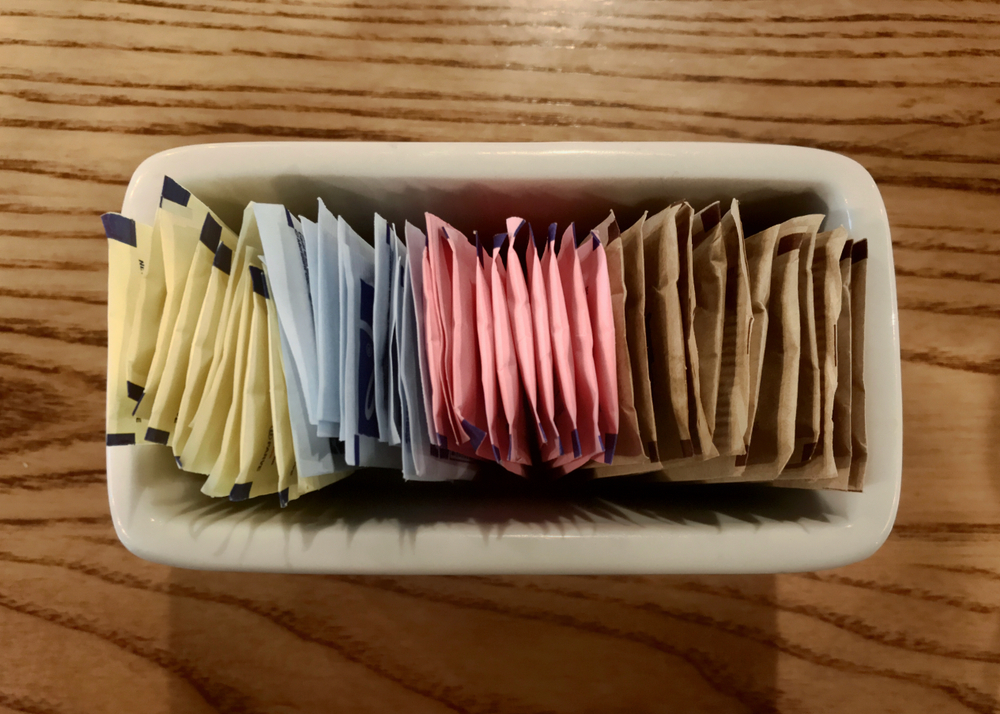
What About Other Popular Sweeteners?
Aspartame and Other Artificial Sweeteners
While artificial sweeteners such as xylitol inhibit the growth of bacteria associated with tooth decay, most other artificial sweeteners are “neutral” for dental health. They don’t harm your teeth, but they don’t provide active protection either.
Stevia
This natural zero-calorie sweetener is generally tooth-friendly since it doesn’t feed harmful bacteria. However, it doesn’t offer the same active benefits as xylitol or erythritol.
Honey and Agave
Despite being “natural,” these sweeteners can still contribute to tooth decay since they contain sugars that bacteria can metabolize.
Practical Ways to Improve Your Dental Health with Sugar Substitutes
Choose the Right Gum
Chewing gum with xylitol can help increase saliva production, neutralize plaque acids, and reduce the risk of tooth decay. Look for sugar-free gums that list xylitol among the first ingredients.
Read Labels Carefully
Not all “sugar-free” products are equal. Xylitol is available in many products, including chewing gum, lozenges, mouth rinses, dental wipes, toothpastes, and nasal irrigation solutions.
Be Mindful of Acidic Drinks
Even if they’re sweetened with artificial sweeteners, acidic drinks (like diet sodas) can erode tooth enamel. The sweetener might not feed bacteria, but the acidity can still damage your teeth.
Consider Timing and Frequency
Even with tooth-friendly sweeteners, practicing good oral hygiene remains important. Brush twice daily, floss regularly, and visit your dentist for routine cleanings.
Potential Drawbacks to Consider
While sugar substitutes are generally better for your teeth, they’re not without considerations:
- Digestive Issues: Some people experience bloating, gas, or diarrhea when consuming large amounts of sugar alcohols like xylitol or erythritol. Start with small amounts to assess your tolerance.
- Taste Preferences: Some sugar substitutes have aftertastes that not everyone enjoys. It may take time to find the ones you prefer.
- Cost: Quality sugar substitutes, particularly xylitol-containing products, can be more expensive than their sugar-containing counterparts.
- Pet Safety: Xylitol is extremely toxic to dogs, so keep xylitol-containing products away from pets.

The Simple Change with Big Impact
Most sugar substitutes are significantly better for your teeth than regular sugar. The clinical trials conducted in Turku showed that xylitol was non-cariogenic and, when substituted for sucrose, quite possibly anti-cariogenic, in both foods and chewing gums.
For optimal dental health, prioritize xylitol and erythritol when possible, as they not only don’t harm your teeth—they actively protect them. Other artificial sweeteners are acceptable alternatives that at least won’t contribute to tooth decay.
However, remember that sugar substitutes are just one part of a comprehensive oral health strategy. Continue brushing with fluoride toothpaste, flossing daily, limiting acidic beverages, and seeing your dentist regularly for the best results.
Making the switch to tooth-friendly sweeteners is a simple change that can significantly impact your long-term dental health. Your teeth—and your dentist—will thank you for it.
Your Local Partner in Modern Dental Care
Making informed choices about your oral health is easier when you have the right dental partner by your side. If you’re in Littleton, Englewood, Centennial, or Highlands Ranch and ready to optimize your dental health with expert guidance on sugar substitutes and comprehensive care, Dr. Hoagburg and the team at Littleton Advanced Dentistry are here to help. We believe in empowering our patients with knowledge and personalized treatment plans that fit their lifestyle and goals. Every smile is unique, and your dental care should be too.
When you’re ready to take the next step in your oral health journey, we’d love to discuss how the latest research on sugar substitutes and preventive care can work for you. Call (720) 719-0012 to schedule your consultation with our dentists in Littleton, CO, and discover how modern dentistry can support your health and confidence for years to come.