
A Common Fear, A Real Solution
Suppose the thought of sitting in a dental chair makes your stomach tighten or your palms sweat; you’re far from alone. Dental anxiety is one of the most common reasons people put off care, and there’s nothing to be embarrassed about — many of our patients have walked through our doors feeling the same way.
The trouble is, avoiding the dentist doesn’t make problems go away. Small issues like a minor cavity or early gum inflammation tend to get worse with time, eventually turning into bigger, more painful, and more expensive problems to fix. That’s why understanding dental anxiety — and knowing there’s a better way to experience dental care — matters so much.
At Littleton Advanced Dentistry, we’ve built our practice around a simple idea: every patient deserves compassionate, judgment-free care, no matter how nervous they feel when they walk in. That’s what dental anxiety really is, why it happens, and how our team helps patients feel calm, informed, and in control every step of the way. Have questions before you even book? Give our Littleton dentist a call at (720) 719-0012 — we’re happy to talk through your concerns first.

What Is Dental Anxiety?
Dental anxiety refers to feelings of nervousness, unease, or dread associated with dental visits. It can range from mild apprehension before an appointment to more intense fear that causes physical symptoms. Dental phobia is a step beyond anxiety — it’s an overwhelming, often irrational fear that can lead people to avoid the dentist altogether, even when they’re in pain.
Dental anxiety is remarkably common, affecting a significant portion of the population to some degree. Many people experience it quietly, never mentioning it to their dental team, which makes visits feel more stressful.
Recognizing that what you’re feeling has a name — and that it’s a shared experience — is often the first step toward getting the oral health care you need. Once you can name the anxiety, you and your dental team can start working together to manage it.
Why Are People Afraid of the Dentist?
Dental anxiety rarely comes from nowhere. It usually has identifiable roots, including:
- Previous negative dental experiences. A painful or rushed appointment in the past, sometimes even in childhood, can leave a lasting impression.
- Fear of pain. Concern about discomfort during treatment is one of the most common triggers, even when modern techniques make pain far less likely.
- Sounds, smells, and instruments. The whir of a drill, the smell of dental materials, or simply seeing dental tools can trigger a stress response.
- Loss of control. Lying back in a chair with your mouth open, unable to see what’s happening, can feel vulnerable.
- Embarrassment about oral health. Some patients worry about being judged for missed appointments, cavities, or the condition of their teeth.
- Fear of needles or a sensitive gag reflex. Both are physical triggers that can make anxiety spike before a procedure even begins.
Understanding which of these resonates with you can help you communicate your specific concerns to your dental team — and help them tailor your visit accordingly.
Signs That Dental Anxiety May Be Affecting Your Health
Dental anxiety doesn’t always look like obvious fear. Sometimes it shows up in subtler patterns, such as:
- Delaying or skipping scheduled appointments
- Waiting until pain becomes severe before seeking care
- Difficulty sleeping the night before a visit
- Physical symptoms like sweating, a racing heartbeat, or nausea around appointment time
- An increased reliance on emergency dental treatment rather than routine care
If any of these sound familiar, it may be a sign that anxiety is shaping your oral health decisions more than you realize.
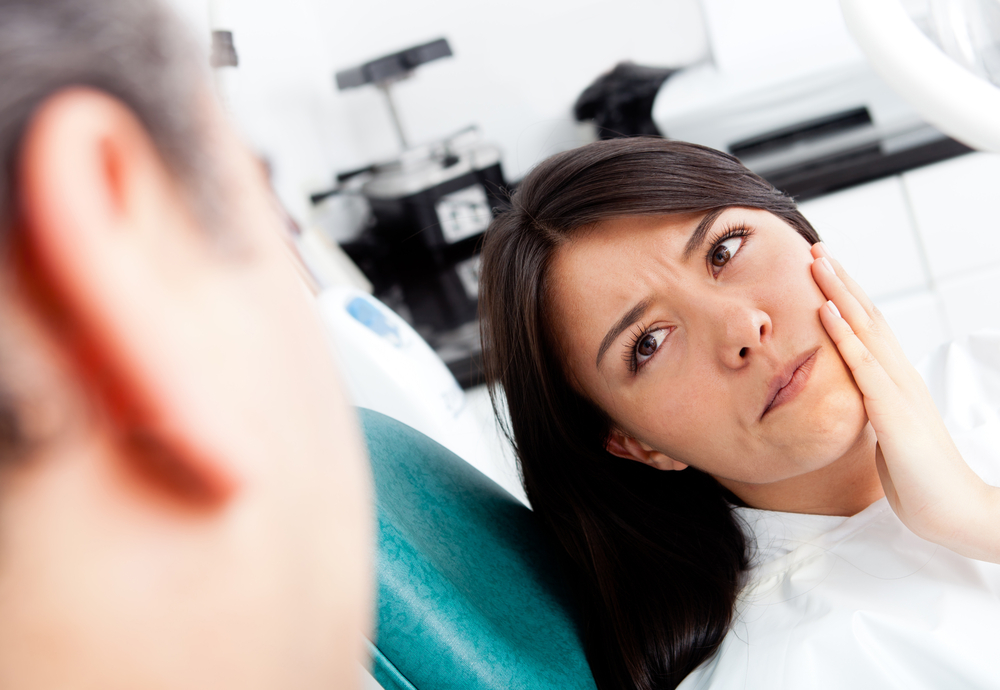
How Avoiding the Dentist Can Make Problems Worse
Putting off dental visits might feel like the easier choice in the moment, but it tends to create bigger challenges down the road:
- Small cavities become larger and more difficult to treat conservatively.
- Gum disease progresses, potentially leading to more serious infection or tooth loss.
- Treatments become more complex and costly, since problems caught early are almost always simpler to address.
- Discomfort increases over time, as untreated issues rarely stay the same — they tend to get worse.
The good news is that breaking this cycle doesn’t require “toughing it out.” It starts with finding a dental team that understands anxiety and knows how to work with it, not against it.
How We Help Patients Feel Comfortable at Littleton Advanced Dentistry
We’ve designed our approach around the patients who need it most — including those who haven’t seen a dentist in years and feel nervous about coming back.
- Judgment-free, compassionate care. Whatever the state of your oral health, our team is here to help, not to make you feel bad about it.
- Taking time to explain every procedure. We walk you through what to expect before, during, and after treatment, so there are no surprises.
- Open communication and patient involvement. Your questions and concerns are always welcome, and you’re an active participant in decisions about your care.
- Personalized treatment plans. We tailor pacing and options to your comfort level, rather than applying a one-size-fits-all approach.
- A comfortable, welcoming office environment. We focus on building real relationships with our patients, so visits feel less clinical and more personal.
Our goal is simple: to help you feel heard, respected, and genuinely at ease.
Sedation Dentistry for Patients with Dental Anxiety
For patients whose anxiety is significant enough to make even routine visits difficult, sedation dentistry can be a valuable option. It’s especially helpful for those with dental phobia, a strong gag reflex, or extensive treatment needs that would otherwise require multiple stressful visits.
- Nitrous oxide (laughing gas) is a mild, fast-acting sedation option that helps patients relax during treatment and wears off quickly afterward, allowing most people to resume normal activities the same day.
- Oral conscious sedation involves taking a prescribed medication before your appointment to help you feel calm and relaxed, often with limited memory of the procedure itself.
- Determining the right option is a conversation, not a one-size-fits-all decision. Our team reviews your medical history, anxiety level, and treatment needs to recommend the safest, most effective approach for you.
- Safety and monitoring are built into every sedation appointment, with our team tracking your comfort and vital signs throughout treatment.
If anxiety has kept you from the dentist for years, sedation dentistry may be the bridge that makes getting back on track possible.
Simple Ways to Make Your Next Dental Visit Less Stressful
In addition to the support we provide, a few simple strategies can help you feel more in control of your appointment:
- Schedule morning appointments, so you don’t spend the whole day anticipating the visit.
- Share your fears with your dentist — letting us know in advance helps us adjust our approach to your needs.
- Bring headphones or calming music to help you relax and tune out unfamiliar sounds.
- Practice deep breathing before and during your appointment to help manage physical tension.
- Use agreed-upon hand signals to let your dental team know if you need a pause, without having to speak.
- Start with a simple consultation if you’re especially nervous — there’s no obligation to begin treatment the same day.
These small steps, combined with a supportive dental team, can make a real difference in how your visit feels.
Take the First Step Toward Stress-Free Dental Care
Dental anxiety doesn’t have to keep you from a healthy smile. Instead of delaying care and letting small problems grow, consider scheduling a consultation — a low-pressure first step that lets you meet our team, voice your concerns, and learn about your options without any obligation.
Littleton Advanced Dentistry is proud to welcome anxious patients from Littleton, Highlands Ranch, Columbine, Ken Caryl, and the surrounding communities. Whether you need a little extra reassurance or are considering sedation dentistry, our compassionate team is here to help you feel comfortable, respected, and cared for at every visit.
Ready to take the first step? Call our dentist in Littleton today at (720) 719-0012 or contact us online to schedule your consultation.