
Our Littleton Dentist Can Replace Your Missing Teeth
Missing a tooth can feel like a blow to your confidence, affecting your smile, speech, and ability to enjoy your favorite foods. Fortunately, dental bridges offer a reliable, long-lasting solution to restore your smile and oral health. Whether you’ve lost a tooth due to injury, decay, or other dental issues, a dental bridge can seamlessly fill the gap, blending aesthetics with functionality.
Are you ready to replace your lost teeth? Contact our Littleton dentist today at (720) 719-0012. We welcome new patients at Littleton Advanced Dentistry.
Meet Our Littleton Dentist
Dr. Brandon Moore is a Colorado native and trusted dentist at Littleton Advanced Dentistry, located in Littleton, CO, where he serves patients from the surrounding communities of Highlands Ranch, Ken Caryl, and Columbine. With a philosophy rooted in precision, compassion, and patient-centered care, Dr. Moore approaches every case — from routine fillings to full smile designs and dental implants — with thoughtful planning and meticulous attention to detail.
He has a particular passion for aesthetic dentistry, crafting smiles that are both visually beautiful and structurally sound, while always prioritizing long-term outcomes over speed. Whether addressing a patient’s functional needs or transforming their smile, Dr. Moore is dedicated to earning his patients’ trust and ensuring their complete satisfaction with every visit.

What Is a Dental Bridge?
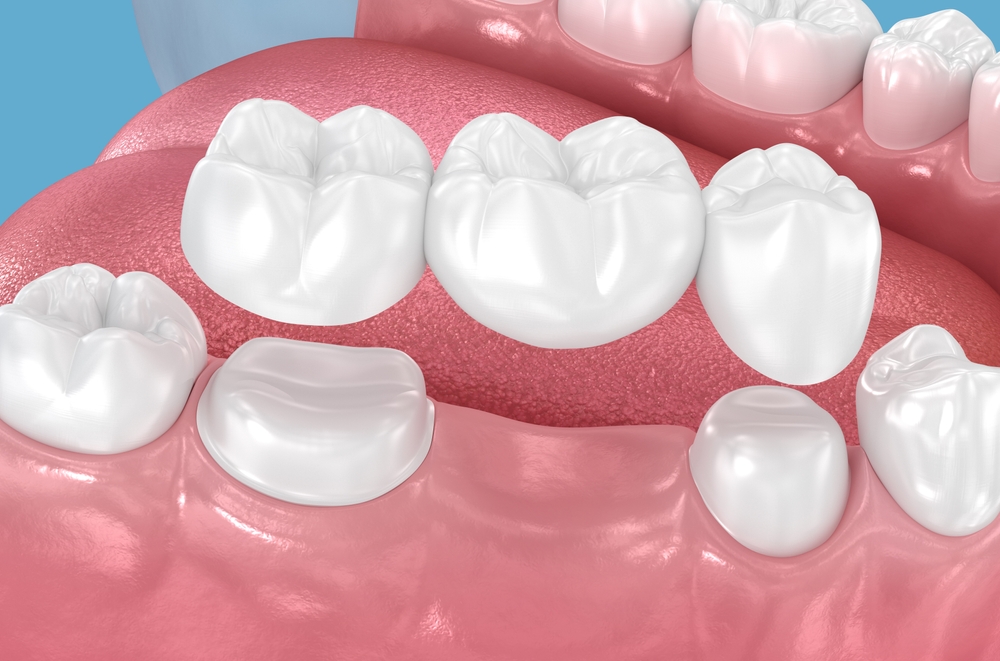
A dental bridge is a custom-made prosthetic device used to replace one or more missing teeth. It “bridges” the gap in your smile by anchoring artificial teeth (called pontics) to adjacent natural teeth or dental implants. These supporting teeth, known as abutments, provide stability for the bridge, ensuring it stays securely in place.
Dental bridges are crafted to look, feel, and function like natural teeth, restoring both the appearance and functionality of your smile. They’re a popular choice for patients seeking a fixed, non-removable solution to tooth loss, offering a more permanent alternative to dentures.
Different Types of Dental Bridges
Not all dental bridges are the same. Depending on your dental health, budget, and aesthetic preferences, your dentist may recommend one of the following types of bridges. Please also keep in mind that we do not offer all the treatments listed below. Contact our dental office for more information.
Traditional Dental Bridges
The most common type, traditional dental bridges, consists of one or more pontics held in place by dental crowns cemented onto the abutment teeth. These bridges are ideal when you have healthy, natural teeth on either side of the gap.
- Best for: Patients with strong, healthy adjacent teeth.
- Advantages: Highly durable, natural appearance, and widely available.
- Considerations: Requires reshaping of adjacent teeth to accommodate crowns.
Implant-Supported Bridges
For patients missing multiple teeth or lacking strong adjacent teeth, implant-supported bridges are anchored to dental implants surgically placed in the jawbone. These bridges offer superior stability and longevity.
- Best for: Multiple missing teeth or weak adjacent teeth.
- Advantages: Extremely stable, prevents bone loss, and mimics natural tooth roots.
- Considerations: Higher cost and longer treatment time due to implant surgery.
Cantilever Bridges
Cantilever dental bridges are similar to traditional bridges but are supported by a crown on only one side of the gap. This makes them suitable when there’s only one healthy tooth adjacent to the missing tooth.
- Best for: Cases with a single adjacent healthy tooth.
- Advantages: Less invasive than traditional bridges since only one tooth is crowned.
- Considerations: Less stable than traditional bridges, not ideal for back teeth where chewing forces are stronger.
Maryland Bridges
Also known as resin-bonded bridges, Maryland bridges use a metal or porcelain framework bonded to the back of adjacent teeth, eliminating the need for crowns. They’re a conservative option that preserves more of your natural tooth structure.
- Best for: Front teeth or cases where minimal tooth alteration is desired.
- Advantages: Less invasive, quicker procedure, and cost-effective.
- Considerations: Less durable than traditional bridges, not suitable for heavy chewing.
We do not offer Maryland dental bridges at our Littleton dental office. Contact our dentist near you today at (720) 719-0012 to learn more.
Dental Bridge Benefits
Patients can experience the following dental bridge benefits:
- Restored smile
- Improved functionality
- Maintains facial structure
- Prevents further dental complications
- Long-lasting restoration
- Affordable solution
- Boost in confidence
- Minimally invasive procedure
The Dental Bridge Procedure at Littleton Advanced Dentistry
The dental bridge procedure involves preparing the adjacent teeth, called abutments, by reshaping them to support the bridge. A custom-made bridge, consisting of replacement teeth (pontics) and crowns on the abutment teeth, is then placed over the prepared teeth with dental cement, restoring both function and aesthetics. The bridge is cemented in place, providing a fixed solution for missing teeth. After getting a dental bridge, proper care is essential for longevity.
How Much Do Dental Bridges Cost in Littleton?
While the costs of your dental bridge will vary based on several factors, you can expect to spend between $2,000 and $5,000. Factors that will influence the total cost include:
- Geographical location
- Materials used
- The type of dental bridge
- Number of teeth that need to be replaced
- A dentist’s expertise and experience
- Dental insurance plan
- Additional procedures
Are you ready to schedule a consultation? Contact our dentist in Littleton at (720) 719-0012 today.
Caring for Your New Dental Bridge
To ensure your dental bridge lasts as long as possible, proper care is essential. Follow these tips to keep your bridge in top condition:
- Practice Good Oral Hygiene: Brush twice daily with a soft-bristle toothbrush and fluoride toothpaste. Floss daily, using floss threaders or interdental brushes to clean under the bridge.
- Avoid Hard Foods: Chewing on hard or sticky foods (like ice or caramel) can damage your bridge. Stick to a bridge-friendly diet.
- Visit Our Dentist Regularly: Schedule checkups and cleanings every six months to monitor your bridge and overall oral health.
- Quit Smoking: Smoking can stain your bridge and increase the risk of gum disease, which can compromise the bridge’s stability.
- Use a Nightguard if Needed: If you grind your teeth at night, a nightguard can protect your bridge from excessive wear.
Who Is a Candidate for a Dental Bridge?
Ideal dental bridge candidates include patients with:
- Healthy Adjacent Teeth: The abutment teeth must be strong enough to support the bridge.
- Good Oral Health: Candidates should have healthy gums and no active dental infections.
- Sufficient Bone Density: For implant-supported bridges, adequate jawbone density is required for implant placement.
- Commitment to Oral Hygiene: Patients must be willing to maintain proper oral hygiene to ensure the longevity of the bridge.
Frequently Asked Questions
Many dental insurance plans partially cover dental bridges, especially if deemed medically necessary. Coverage varies by provider and plan, typically ranging from 50% to 80% of the cost. Check with your insurance provider for specific details and eligibility.
Dental bridges are a fixed, long-term solution, but not permanent. With proper care, they last 10 to 15 years or more. Implant-supported bridges may last longer due to their stability. Regular dental checkups help extend the longevity of your restoration.
Minor damage to dental bridges, like chips or cracks, can often be repaired by a dentist. Severe damage may require replacement. Prompt dental care prevents further issues and extends the bridge’s life.
Dental bridges typically last 10 to 15 years with proper care, but not a lifetime. Implant-supported bridges may last longer due to their durability. Regular oral hygiene and dental visits maximize their lifespan.